
Living In It, Not Camping In It
RV Living Tips and Tricks
Most RV advice is written for a long weekend. This is the other list, the one that matters when your RV is your address for a few months. Some of it we learned the expensive way.
None of this is complicated. It is just the handful of things that decide whether a long stay is uneventful or aggravating, and most of it comes down to tanks, water, power, and moisture.
Tanks and Plumbing
The part nobody explains until it has already gone wrong.
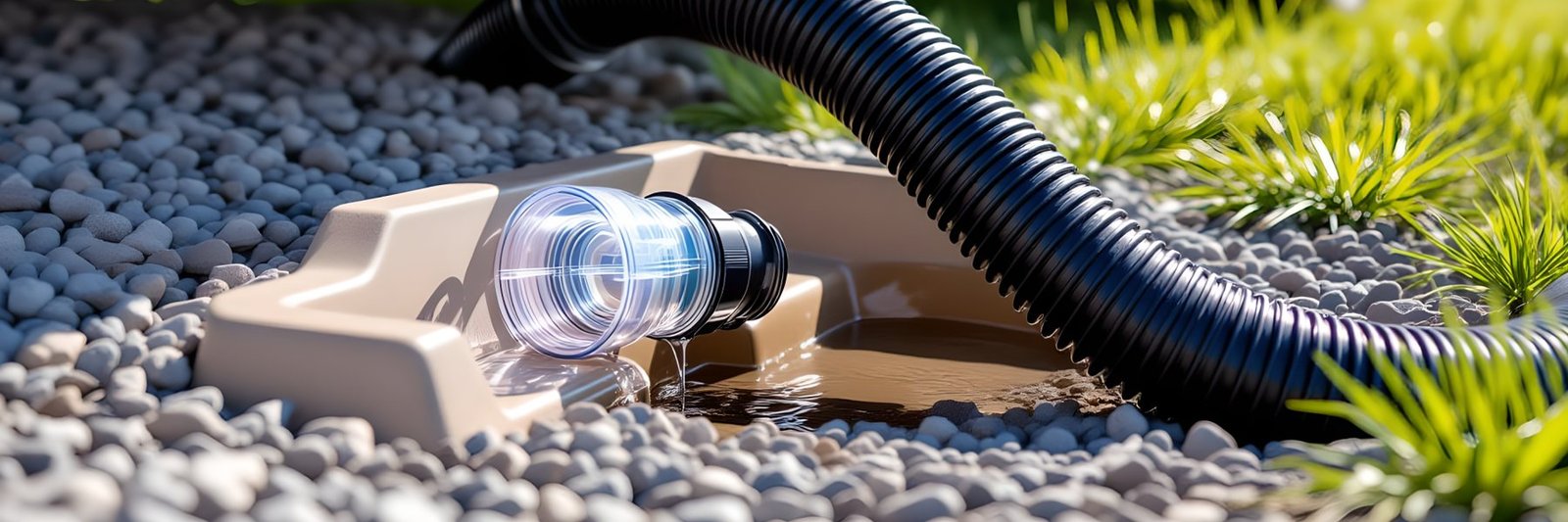
Keep the Black Valve Closed
This is the one that catches people. Hooked up to sewer, it is tempting to leave the black valve open and forget about it. Do not. The liquid drains away and the solids stay behind and build into a pile under the toilet that no amount of flushing will move. Keep it closed, let the tank fill, and dump when it is about two thirds full so there is enough water behind it to carry everything out.
Dump Black First, Then Grey
Dump the black tank, close it, then dump the grey. The grey water is mostly soap and shower water and it rinses your hose out on the way through. Do it in the other order and you are storing the black tank’s leftovers in your hose until next time.
Rinse Until It Runs Clear
This is what the clear elbow is for. After the black tank drains, back-flush or refill it and dump again, and keep going until what you see running through is clean water. Two or three rinses is normal. That is also what keeps the tank sensors reading honestly instead of showing full forever.
Leave Some Water In It
After you close the valve, put a few gallons of fresh water down the toilet along with your tank treatment. Solids need liquid to break down. A dry tank is how odor starts.
Enough Water While Flushing
Solids need liquid to move, and a tank that runs dry is where the trouble starts. But that is about how much is sitting in the tank when you dump, not about running the tap. Let it fill, dump it around two thirds, and put a few gallons back afterward. That is all it takes. You do not need to flood it.
Water
Everything upstream of your plumbing is somebody else’s pressure.
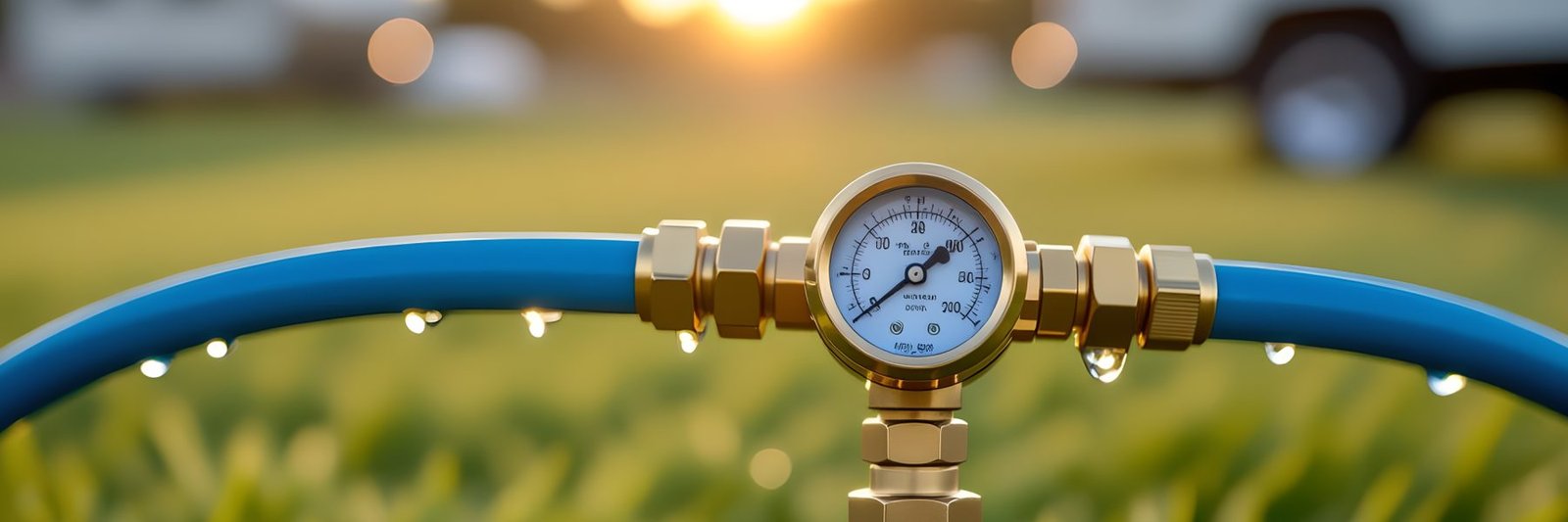
Regulate the Pressure, Every Time
Park water pressure is not your problem until it is, and RV plumbing does not forgive a surprise. Use an adjustable regulator with a gauge so you can see what you are getting and set it where you want it. The little brass inline plugs work, but you are guessing.
Use a Potable Hose, and Own Two
A white or blue hose marked drinking water safe, not the garden hose from the shed. Two of them means you always have the reach you need and a spare when one springs a leak, which they do.
Winter Is Short Here but It Is Real
East Tennessee gives you a handful of hard freezes, usually overnight and usually brief. A heated hose solves it. Short of that, disconnect and drain the hose before bed and run off your fresh tank until things thaw. Leaving a regular hose pressurized overnight in a freeze is how you find out where your weak fitting was.
Power
A long stay means your RV is plugged in for months, not a weekend.
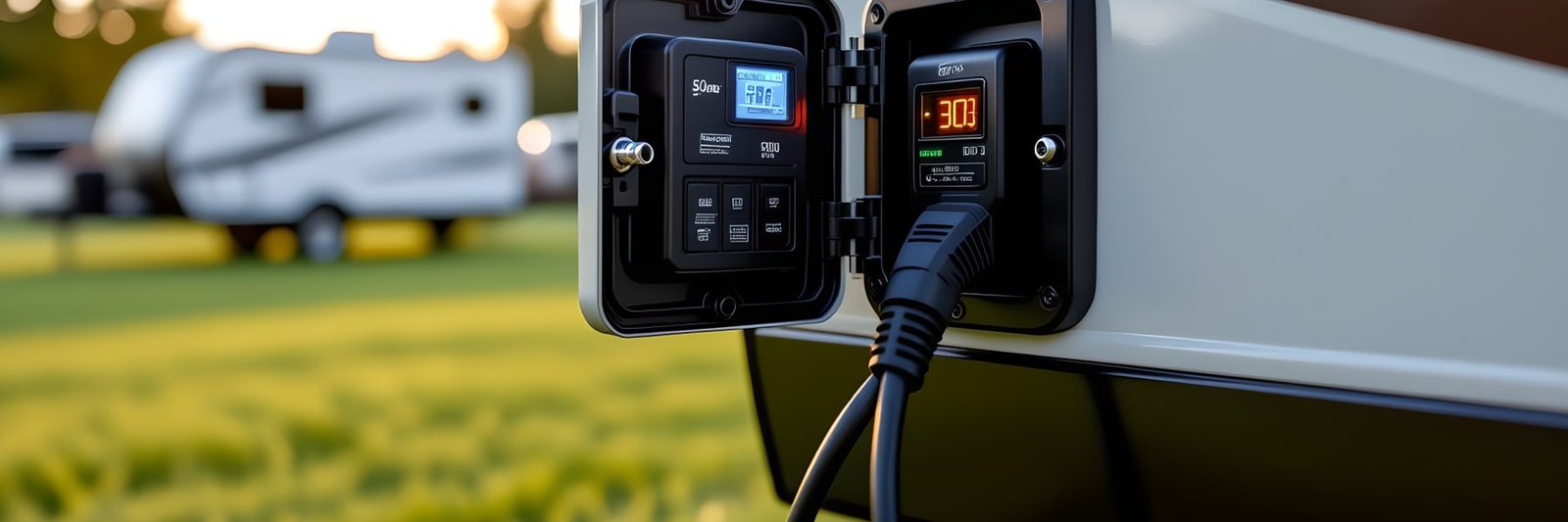
Get an EMS, Not Just a Surge Protector
A surge protector catches a spike. An EMS also catches low voltage, an open ground, and a miswired pedestal, and it disconnects before any of those cook your converter or your air conditioner. Low voltage is the one that quietly kills compressors, and it is the one a plain surge protector will not see.
Know What Your Amperage Will Carry
On 30 amp you can run the air conditioner, or the microwave, or the space heater. You cannot run all three. Learn which combinations trip yours on a mild day rather than on the hottest afternoon of the year.
Electric Heat Beats Propane on a Long Stay
A ceramic heater with tip over shutoff and overheat protection will hold a small RV through most of a Tennessee winter and save you a lot of propane runs. Give it clear space and do not run it off an extension cord.
Moisture and Air
The slow damage. It is humidity, and it is worse than people expect.
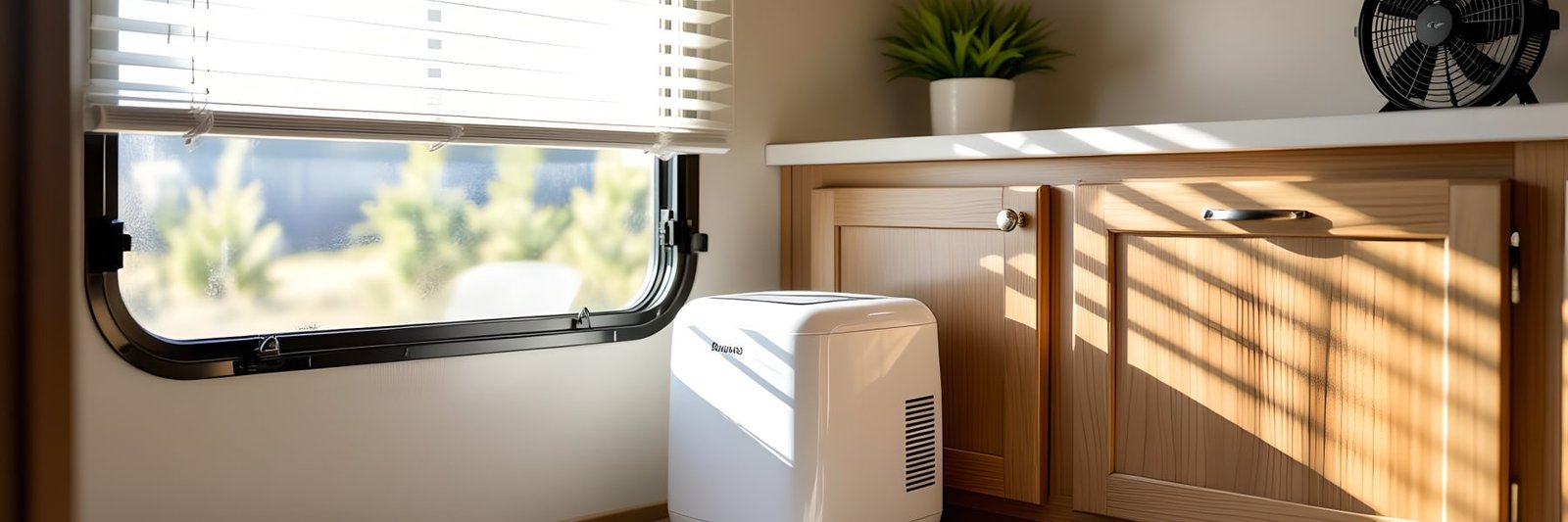
Run a Dehumidifier
Four people in a small space breathing, showering, and cooking puts a startling amount of water into the air, and East Tennessee adds its own. A compact dehumidifier does more for how an RV feels in August than almost anything else, and it keeps cabinets from smelling.
Move Air on Purpose
Run the vent fan while you shower and while you cook, and crack a vent even in bad weather. A vent cover lets you leave it open in a thunderstorm, which is most of what makes this practical in July.
Look Behind Things Every Few Weeks
Pull the mattress up, look in the back corners of cabinets on outside walls, and wipe window condensation when you see it. Moisture problems are cheap and easy the week they start and expensive six months later.
Roof, Seals, and Tires
Twenty minutes twice a year against the most expensive repair in RVing.
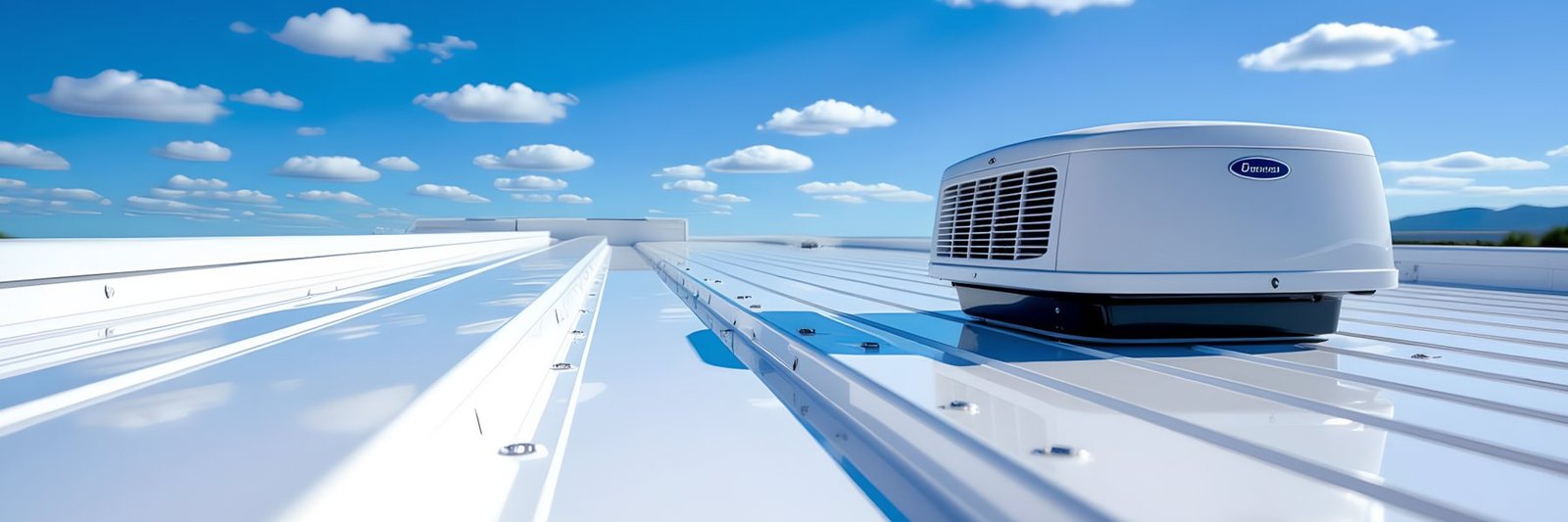
Walk the Roof Twice a Year
Look at every seam and everything that penetrates the roof, which is vents, antennas, the AC shroud, and skylights. Anything cracked or pulling away gets self leveling lap sealant. A tube of sealant is a few dollars. Water damage is the repair that ends RVs.
Tires Age Sitting Still
A parked RV is harder on tires than a driven one, because sun and time do the damage and rolling does not. Tire covers are the fix. Keeping UV off the sidewalls is what stops the cracking, and a set of covers costs a fraction of a set of tires. Check pressure once a month even though you are not going anywhere, and look at the date code while you are down there.
Level, Then Stabilize
Two different jobs. Blocks and your jacks get it level. Locking stabilizers between the tires stop the rocking every time somebody walks to the fridge, which you stop noticing on a weekend and never stop noticing on a three month stay.
Staying a While?
We are a small four site park in Evensville, Tennessee, built for people who need a place to park for months, not a weekend. Full hookups, gravel pads, and your own private WiFi network at every site.